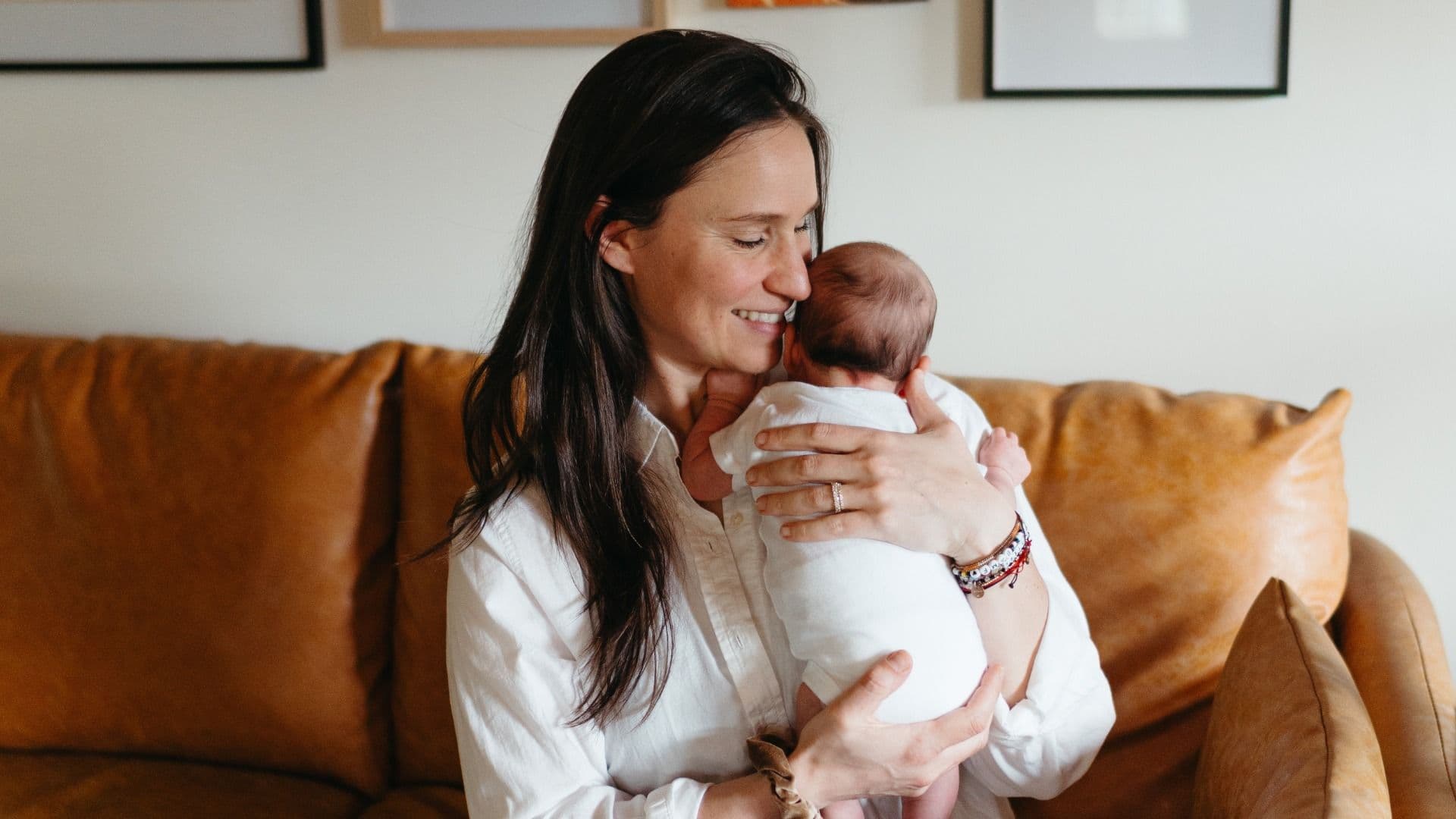
Adoptive parents are often an afterthought in the parental leave conversation. The policies were written with biological parents in mind. The cultural scripts around "maternity leave" and "paternity leave" center birth. And the paperwork? It assumes a predictable timeline that adoption almost never follows.
Here's what's true: if you're adopting, you have real legal rights to adoption leave — at the federal level, at the state level, and potentially through your employer. Understanding how those layers work together is the difference between taking the time your family needs and leaving weeks and dollars on the table.

Federal Protection: What FMLA Covers for Adoptive Parents
The foundation of adoption leave in the United States is the Family and Medical Leave Act (FMLA). The medical leave act FMLA explicitly covers leave for the placement of a child for adoption or foster care — not just biological birth.
What FMLA provides: Eligible employees are entitled to up to 12 weeks of FMLA leave per year for adoption or foster care placement. This leave is unpaid but job-protected, meaning your employer must hold your position — or an equivalent one — while you're out. Your group health insurance also continues during your leave period.
FMLA eligibility requirements: To qualify for FMLA adoption leave, you must:
- Work for a covered employer — a company with 50 employees within 75 miles of your worksite
- Have worked for that employer for at least 12 months
- Have logged at least 1,250 hours in the previous 12 months
How the 12 weeks can be used: One of the most valuable and underused aspects of FMLA is flexibility. The 12 weeks of FMLA leave don't have to be taken all at once. Adoptive families can use intermittent or reduced schedule leave — taking time in blocks, or by reducing daily or weekly hours — to accommodate court proceedings, transition visits, or a gradual adjustment period as your child settles in. This is especially valuable when adoption timelines are unpredictable.
What FMLA doesn't cover: FMLA provides job protection, not income. If your employer doesn't offer paid leave and your state doesn't have a paid family leave program, 12 weeks of FMLA leave means 12 weeks without a paycheck. That's a financial reality most families can't sustain — which is exactly why state programs matter.
State Paid Leave Programs: Where the Money Comes From
Several states have paid family leave programs that specifically include adoption and foster care placement as qualifying events. If you live or work in one of these states, you may be entitled to wage replacement during your adoption leave — on top of FMLA's job protection.
California: Adoptive parents can receive up to 8 weeks of paid family leave at 70–90% wage replacement depending on income tier. The 2026 maximum weekly benefit is $1,765. California's program covers adoption and foster care placement and does not require the child to be a newborn.
New York: New York's Paid Family Leave program provides up to 12 weeks of paid leave for bonding with a newly adopted or fostered child, at 67% of the statewide average weekly wage.
Washington State: Eligible employees can receive up to 12 weeks of paid family leave for adoption or foster care placement through Washington's PFML program.
Other states with adoption coverage: Rhode Island, New Jersey, Massachusetts, Oregon, Colorado, Connecticut, and Washington D.C. all have paid family leave programs that include adoption or foster care as qualifying events, though leave entitlement periods and benefit rates vary.
The key strategic move is understanding how to stack these benefits. State paid leave runs concurrently with FMLA in most cases, meaning you're getting wage replacement during the same period your job is federally protected.
Employer Policies: The Third Layer
Beyond federal and state protections, many employers have their own adoption leave policies — and in some cases, they're more generous than what the law requires. Progressive companies increasingly recognize that adoptive parents deserve the same support as biological parents.
Worth asking your HR team:
- Does the company offer paid adoption leave separate from PTO?
- Does the employer top up state paid leave benefits?
- Is there an adoption assistance program that covers adoption-related expenses?
- What documentation is required — proof of placement, court orders, agency letters?
Every workplace is different. Getting clear on your employer's specific offerings before your child's placement date means you won't be scrambling to understand your options while navigating one of the most significant transitions of your life.
Planning Adoption Leave When the Timeline Is Unpredictable
Unlike biological parents, adoptive parents often can't give an employer a firm start date. Timelines shift. Court dates move. Placements happen faster or slower than expected. That unpredictability makes early communication essential.
Notify your employer early. As soon as you begin working with adoption agencies, give your supervisor a general heads-up. You don't need a confirmed date — just enough context for your team to plan coverage.
Get your documentation ready in advance. Most leave programs require proof of placement, court orders, or letters from your adoption agencies before they'll approve benefits. Having these documents ready reduces delays when timing matters most.
Think carefully about your leave structure. Unlike maternity leave, which often begins with a medical recovery period, adoption leave is entirely about bonding and adjustment. Some families benefit from taking leave all at once. Others — especially those adopting older children who may need a more gradual transition — find that intermittent or reduced schedule leave works better. Both are valid uses of your entitlement.
Frequently Asked Questions About Adoption Leave
Do adoptive parents qualify for FMLA?
Yes. FMLA explicitly covers leave for the placement of a child for adoption or foster care. Eligible employees at covered employers are entitled to up to 12 weeks of job-protected unpaid leave.
Does FMLA cover both domestic and international adoption?
Yes. FMLA covers adoption and foster care placement regardless of whether the child is being adopted domestically or internationally. The leave must begin within 12 months of the child's placement.
Can both adoptive parents take FMLA leave?
Yes. If both parents work for covered employers and meet eligibility requirements, both are entitled to their own 12 weeks of FMLA leave. However, if both parents work for the same employer, the total combined leave may be limited in some circumstances — check with HR.
What's the difference between a birth parent and an adoptive parent under FMLA?
Under FMLA, birth parent and adoptive parent rights are equivalent for bonding purposes. Both are entitled to 12 weeks of job-protected leave following birth or placement.
Can I use FMLA leave intermittently for adoption?
Yes. Intermittent or reduced schedule leave is available for adoption and foster care placement, allowing you to take time in blocks rather than all at once — useful for court dates, transition visits, or gradual onboarding of an older child.
What if my employer has fewer than 50 employees?
If your employer has fewer than 50 employees within 75 miles of your worksite, they are not a covered employer under FMLA and are not required to provide job-protected leave. However, you may still be entitled to state-level protections depending on where you live and work.
You Have More Support Than You Think
When you stack federal FMLA protections, your state's paid family leave program, and your employer's policy, adoptive families often have access to significantly more time and money than they realize. The system is complicated by design — but that complexity doesn't mean you're stuck with the default.
Hello Bundle helps adoptive parents in California, New York, New Jersey, Massachusetts, and Washington D.C. understand exactly what they're entitled to and build a strategy to access every week and every dollar they've earned.
We've helped more than 2,000 families — biological, adoptive, and everything in between — secure the leave they deserve. We speak plain language, not government jargon. We'll walk you through your benefits, help you build a personalized leave calendar, and make sure nothing falls through the cracks.
Book a free 30-minute Parental Leave Info Call →
If you found this helpful, you might also like: