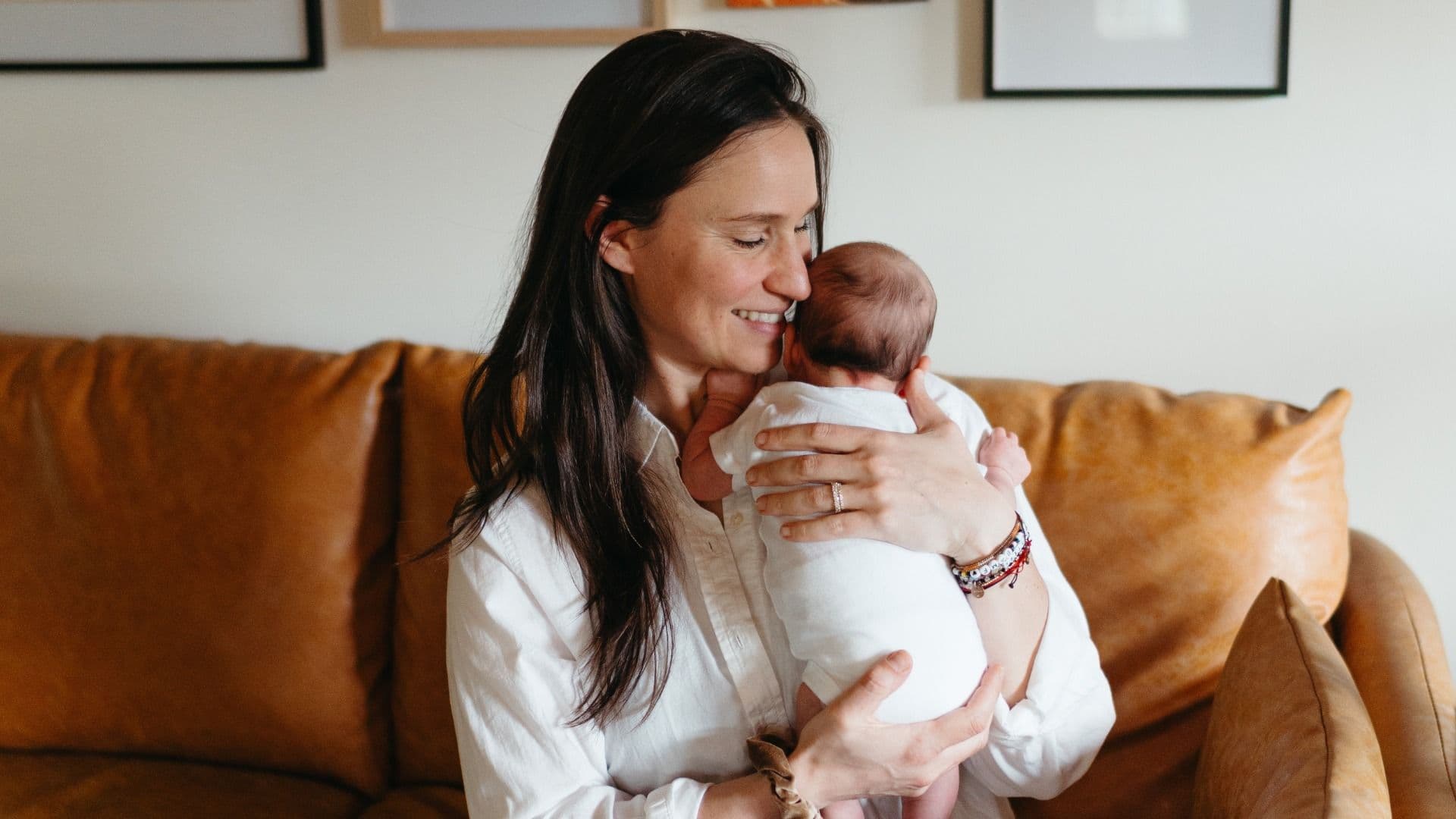
Quick Answer: Paid parental leave provides wage replacement when employees take time off to bond with a new child — through birth, adoption, or foster care. In the U.S., there is no federal paid parental leave law. Access depends on your state, your employer, and the programs you qualify for. Despite overwhelming evidence that paid leave benefits families, employers, and the broader economy, most U.S. workers still don't have guaranteed access to it.
Paid parental leave isn't complicated. It's time off to bond with your kid while still getting paid. Simple, right?
Yet in the United States, access remains a complete mess — a patchwork of state programs, employer policies, and federal protections that leave most new parents scrambling to figure out if they can even afford to take time off during one of the most physically and emotionally demanding periods of their lives. Meanwhile, the research showing exactly how much families and companies benefit from paid leave keeps piling up. We know it works. We just haven't decided that everyone deserves it.

What Is Paid Parental Leave?
Paid parental leave provides wage replacement when employees take time off to bond with a new child, whether through birth, adoption, or foster care. Unlike unpaid leave protections under FMLA, paid parental leave ensures workers can afford to take the time they need without sacrificing their financial stability.
In states with paid family leave programs — like California, New Jersey, New York, Washington, and others — eligible workers can receive a percentage of their wages for several weeks of leave. Eligibility requirements typically include having earned a minimum amount in wages during a base period, though specific criteria vary by state and program.
How Paid Parental Leave Benefits Families
The research is clear: paid leave creates better outcomes across multiple dimensions of family health and wellbeing.
Physical and Mental Health Recovery
For birthing parents, those initial weeks of paid parental leave aren't just about bonding — they're medically necessary recovery time. Studies consistently show that paid leave significantly reduces rates of postpartum depression and anxiety, giving parents the space to heal physically and emotionally without the added stress of lost income.
Infant Health and Development
Access to paid leave correlates with improved infant health outcomes. Research shows that paid parental leave increases breastfeeding initiation and duration rates, which supports infant immune system development and long-term health. Parents with paid leave are also more likely to keep up with well-baby visits and vaccinations during those critical early months.
Family Bonding and Stability
Those early weeks establish attachment bonds that influence child development for years to come. Paid leave allows all parents — regardless of gender — to be present during this formative period, promoting family stability and supporting healthy emotional development in children.
Why Paid Parental Leave Benefits Employers
Here's where the narrative shifts from "feel-good policy" to business imperative. Companies that offer paid parental leave see real, measurable returns on their investment.
Retention and Recruitment
Employee turnover is expensive. Replacing a worker can cost an estimated 50–200% of their annual salary when you factor in recruiting, hiring, and training. Paid parental leave dramatically improves retention — some companies report that over 90% of employees return after taking paid leave.
In competitive talent markets, robust parental leave policies also serve as powerful recruitment tools. Companies with generous paid leave benefits attract stronger candidates and build reputations as employers of choice.
Financial Return on Investment
Research from the National Partnership for Women & Families found that businesses offering paid family leave programs report a return of $2.64 for every dollar spent on leave benefits. That ROI comes from reduced turnover costs, maintained productivity, and improved employee morale and engagement.
Productivity and Workplace Culture
Employees who take paid parental leave return to work more focused and committed. They're less distracted by caregiving concerns or financial stress — and more likely to feel genuinely valued by their employer. That's a direct driver of productivity and a healthier workplace culture overall.
Beyond Birth: The Broader Scope of Paid Family Leave
Here's what many people don't realize: paid family leave programs typically extend well beyond parental bonding. These benefits often cover multiple caregiving scenarios.
Caring for Seriously Ill Family Members
If an elderly parent needs surgery and requires post-operative care, paid family leave can provide wage replacement while you support them through recovery. Caregiving responsibilities don't stop at childhood — and the best paid leave programs recognize that.
Recovery from Serious Health Conditions
In states with paid family leave programs, you may qualify for paid leave to focus on your own serious health condition — not just a family member's. This extends the safety net beyond parental bonding to broader personal and family health needs.
Adoption and Foster Care
Paid parental leave isn't limited to biological parents. Adoptive parents and those welcoming children through foster care also qualify for leave benefits in most programs, ensuring all families have support during major transitions.
Why Paid Parental Leave Matters Even If You're Not Having Kids
Even if parenthood isn't in your plans, paid parental leave policies affect you. These programs promote gender equality by enabling all parents — not just mothers — to be active caregivers. They support healthier child development, which contributes to stronger communities and reduced social costs over time.
Comprehensive paid leave policies also signal something important about workplace culture: that employees are valued as whole people with lives and responsibilities beyond their job descriptions. That matters whether you're using leave to bond with a new baby, care for an aging parent, or recover from a health crisis.
Frequently Asked Questions About Paid Parental Leave
What is paid parental leave? Paid parental leave is a period of job-protected time off with wage replacement for employees welcoming a new child through birth, adoption, or foster placement. In the U.S., it is provided through a combination of state programs, employer policies, and — for unpaid leave — federal law under FMLA.
Is paid parental leave required by law in the U.S.? No. There is no federal law requiring paid parental leave in the U.S. The Family and Medical Leave Act (FMLA) provides up to 12 weeks of unpaid, job-protected leave for eligible workers, but does not require pay. Several states have enacted their own paid family leave laws, including California, New Jersey, New York, Washington, Massachusetts, Connecticut, Oregon, and Colorado.
How long is paid parental leave? It depends on your state and employer. State paid family leave programs typically provide 6 to 12 weeks of partial wage replacement. Some employers offer additional paid leave on top of state benefits. Federal FMLA provides up to 12 weeks of unpaid, job-protected leave for eligible employees.
Who qualifies for paid parental leave? Eligibility varies by program. State paid family leave programs generally require workers to have earned a minimum wage amount during a base period. FMLA requires at least 12 months of employment and 1,250 hours worked in the prior year at a company with 50 or more employees within 75 miles. Employer policies set their own criteria.
Does paid parental leave apply to adoptive parents? Yes. Most state paid family leave programs and FMLA cover adoption and foster placement, not just biological birth. Adoptive and foster parents are generally entitled to the same leave benefits as parents welcoming a newborn.
What's the difference between paid parental leave and FMLA? FMLA is a federal law that provides unpaid, job-protected leave. Paid parental leave — whether through a state program or employer policy — provides wage replacement during that time off. Many workers use both simultaneously: FMLA for job protection, and a paid program for income replacement.
Getting the Paid Parental Leave You Deserve
Navigating the maze of overlapping leave systems — FMLA, state disability, paid family leave, employer policies — can feel overwhelming when you're already managing a new baby or a family health crisis. But when you understand your benefits, you can stop worrying about the logistics and focus on what actually matters: your family.
Paid parental leave isn't just good policy. It's essential support that families deserve and that businesses benefit from providing.
Join our next free live Q&A call with our founder Linzay if you have any parental leave questions, or if you're ready to plan out your leave, book a consulting call by selecting your state here.