
I will never forget the day I made the decision to quit my dream job.
My newborn was sleeping next to me in the living room. My toddler was running through the house like a tornado, asking for snacks and requesting bathroom trips every ten minutes. I had a big project due, so I dropped her at daycare to buy myself a few focused hours.
That's when the math hit me: I had just paid $100 in daycare fees to carve out time to work a job that barely brought in $100 a day. I wasn't even breaking even. Between the stress of work and the cost of childcare, I was at a net loss — financially and emotionally.
The day after that daycare epiphany, I resigned.
And to be honest? It didn't go as smoothly as I'd hoped. There were tears. There were frustrations. Looking back, I wish I'd had a guide like this one. I know the conversation could have gone better had I been more grounded in my reasons — and clearer that my decision was about wanting to be present with my kids, not just a childcare math problem.
If you're thinking about quitting before, during, or after parental leave, here's how to navigate the process in a way that protects you, preserves the relationship, and leaves you walking away with your head held high.
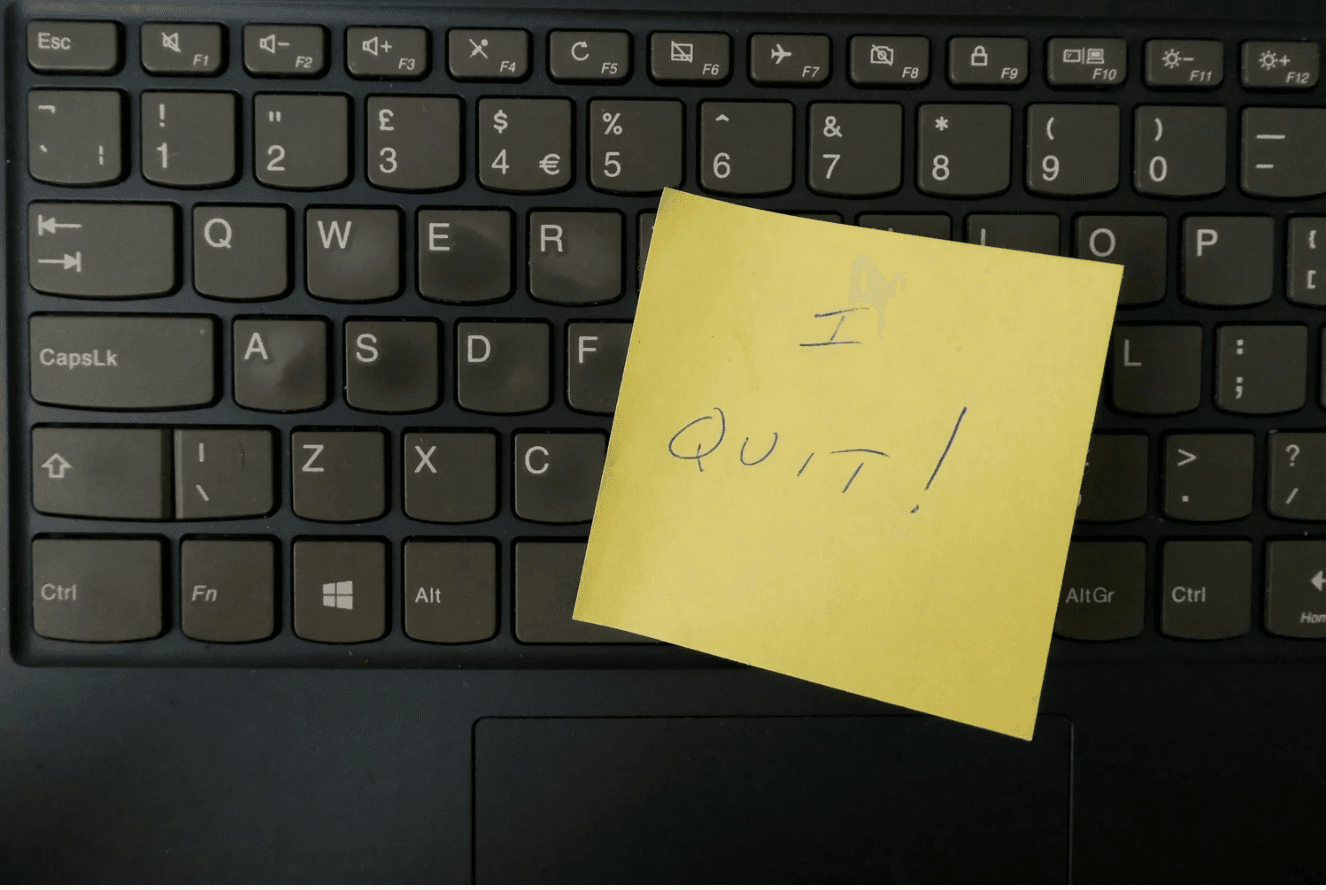
Before You Do Anything: Understand What's at Stake Financially
The most important thing you can do before telling your boss you're quitting is research how your resignation timing affects your parental leave benefits. This is not a detail — it can be the difference between receiving thousands of dollars in paid leave or walking away with nothing.
A few things to look into before you have the conversation:
- State paid leave eligibility: Most states that offer paid parental leave require you to be employed when you file your claim. Quitting too early could disqualify you entirely. In California, for example, there is a narrow exception if you quit or are laid off before your leave begins — but there's fine print, including a requirement that you be actively looking for work.
- Employer repayment clauses: If you quit while on leave, your employer may bill you for wages or health insurance premiums they paid during your leave period. Read your offer letter and benefits policy carefully.
- FMLA implications: The Family and Medical Leave Act provides job-protected leave — but that protection only matters if you plan to return. If you're quitting, the FMLA clock still affects your options depending on when you resign.
Don't guess at any of this. Know exactly what you stand to receive — and what you might have to repay — before you say a word to your manager.
How to Tell Your Boss You're Quitting: 5 Steps
Step 1: Do Your Research First
I know I just covered this, but it bears repeating: when you quit may matter more than how you quit. The timing of your resignation can affect state leave eligibility, employer-paid benefits, and even how smoothly your final weeks play out. Don't have this conversation until you understand the financial and logistical implications of your specific situation.
Step 2: Determine the Best Time to Have the Conversation
The right timing depends on when in the parental leave process you are:
- Quitting before leave: Once you've done your research and know that resigning before leave won't disqualify you from benefits, give your manager enough notice to plan. How much notice depends on your relationship with your manager and your company culture. A close relationship and a collaborative culture? You might give weeks or even months of notice. A sales-driven or high-turnover environment? The day you resign may also be your last day. Plan accordingly.
- Quitting while on leave: Schedule a call with your manager. Let them know your plans to return have changed. Keep it simple and direct.
- Quitting after you've returned: You've already come back, so this is a more traditional resignation scenario — just with the added context of everything that's shifted for you since becoming a parent.
Step 3: Lead With Respect and Thoughtfulness
Even if this was the worst job you've ever had and you cannot wait to get out — be thoughtful. Your boss's first reaction to your resignation is likely going to be about the operational impact: who covers your projects, what deadlines get affected, how the team absorbs the workload.
Do some prep work before the conversation. Come in with at least a rough sense of how your transition could work. You don't need a fully baked handoff plan — but showing that you've thought about the team signals professionalism and makes the conversation go smoother.
This matters more than it might feel like it does in the moment. Industries are small. Managers talk. The way you leave a job has a longer shelf life than you think.
Step 4: Be Confident in Your Decision Before You Walk In
Quitting is uncomfortable in the best circumstances. When it's wrapped up in parental leave, identity shifts, and financial recalculation, it can feel even more loaded. The most important thing you can do to make that conversation easier is to walk in already certain.
Talk it through with your partner, a friend, a mentor, or a therapist before you sit down with your boss. If you're still not 100% sure, it might not be time yet.
It's also worth thinking ahead: what if your manager comes back with an offer — extended leave, a part-time arrangement, a different role? Knowing your answer before they ask means you won't be caught off guard. And remember: you don't have to answer on the spot. It is completely acceptable to say, "Thank you — let me think about it and get back to you."
Step 5: Express Gratitude — Even If It's Hard
Whatever their reaction — relief, frustration, or genuine sadness to see you go — thank them. Thank them for the opportunity. Thank them for their understanding, even if it doesn't feel entirely understanding in the moment.
Your decision to leave may create a real short-term problem for them. Gratitude doesn't erase that, but it can soften it. And it keeps the door open — whether that means a reference, a future contract, or the possibility of returning someday on your own terms.
Your boss's reaction doesn't define whether you made the right call. You've done your research, you've thought it through, and you're confident in your decision. Their feelings about it are theirs to manage.
Quick Reference: When to Tell Your Boss You're Quitting Around Parental Leave
You Don't Have to Figure This Out Alone
Quitting around parental leave is one of the most financially complex decisions a new parent can make. The timing, the benefits implications, the repayment risks — there's a lot to get wrong, and most people don't know what they don't know.
Hello Bundle helps expecting and new parents understand exactly what they're entitled to, build a leave plan that protects them financially, and navigate every conversation — including the hard ones — with clarity and confidence.
Book a FREE Intro call with Hello Bundle
Frequently Asked Questions
Can I quit my job while on parental leave?
Yes — but the financial implications can be significant. If your employer paid wages or covered health insurance premiums during your leave, they may have the right to recoup those costs if you resign before returning to work. Review your benefits policy and offer letter carefully before making any decisions.
Will quitting affect my state paid family leave benefits?
It depends on your state and when you resign. Most state paid leave programs require you to be employed at the time you file your claim. Quitting before you file can disqualify you. Some states, like California, have exceptions — but they come with conditions. Know the rules for your state before you act.
Do I have to tell my boss I'm not returning from parental leave?
There's no legal requirement to announce a resignation by a specific date, but giving reasonable notice is both professional and often financially smart. Some employer leave agreements include return-to-work commitments — check yours to understand any repayment obligations before you decide when to have the conversation.
How much notice should I give when quitting around parental leave?
The standard two weeks applies in most cases, but context matters. A collaborative relationship and a supportive culture may call for more notice. A high-turnover or sales-driven environment may mean your last day is the day you resign. Read the room — and read your contract.
What if my boss makes a counteroffer when I resign?
Think through your answer before the conversation so you're not caught off guard. If they offer extended leave, part-time hours, or a different role, you don't have to respond immediately. It's completely appropriate to say you need time to consider it. Just make sure any new offer is in writing before you make a decision.
What if I already know I want to quit — should I still take parental leave?
This is a deeply personal decision, and the right answer depends on your state, your employer's policies, and your financial situation. In many cases, it makes sense to take leave you're entitled to before resigning — but the timing has to be done carefully to avoid repayment obligations. This is exactly the kind of situation a parental leave consultant can help you think through.